
In the fast-evolving landscape of modern advertising, standing out requires more than just appearing on a screen. Brands need real-world presence, high visibility, and a message that connects with people daily.
Enter Electric Bus Branding—a dynamic transit media strategy that transforms eco-friendly public transport into high-impact, moving billboards. As cities shift toward green energy, smart brands are leveraging electric buses to dominate urban streets and build massive local familiarity.
What is Electric Bus Branding?
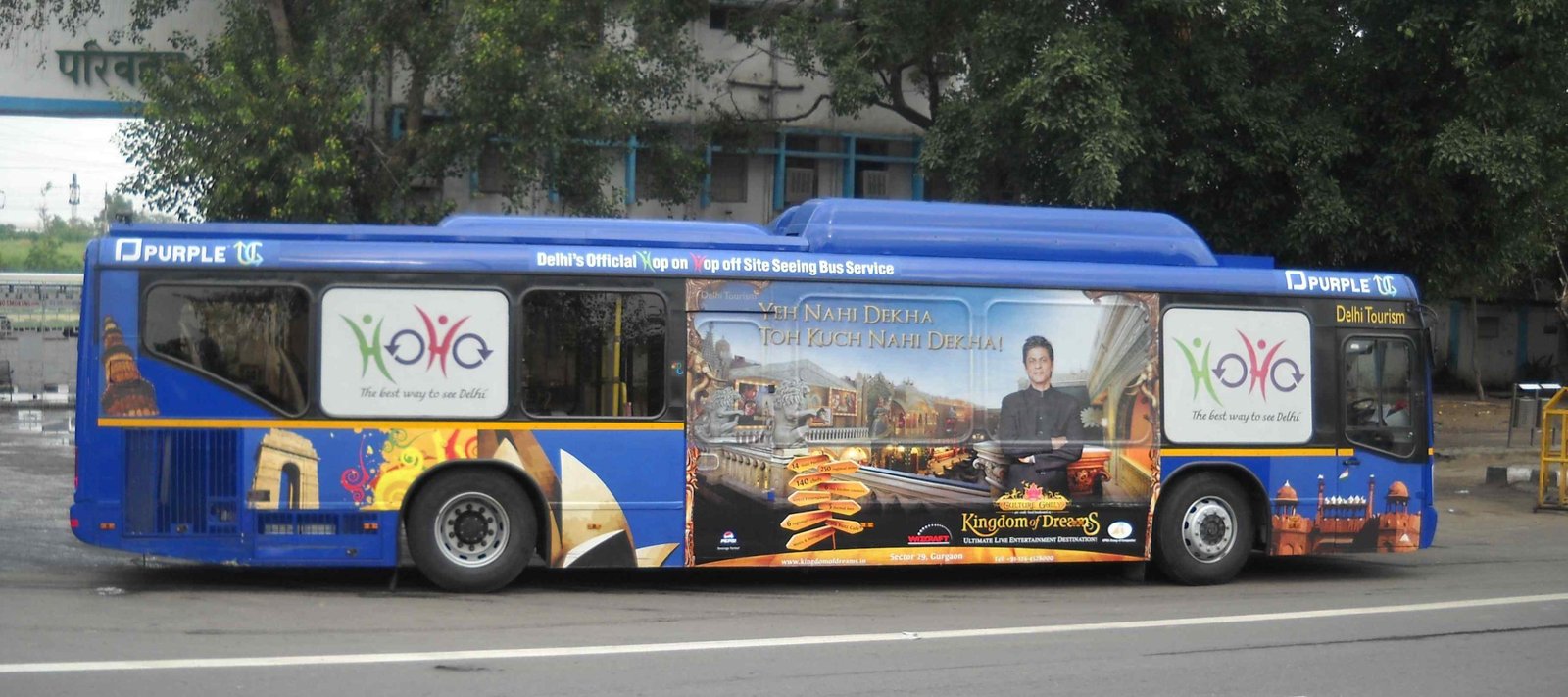
Bus branding is a highly effective form of outdoor advertising (OOH) where a brand places its message, logos, and creative visuals on public buses. When this is executed on modern, clean, emission-free electric fleets, it becomes Electric Bus Branding.
Because electric buses are sleek, modern, and quiet, they naturally draw the eyes of commuters, pedestrians, and drivers. They act as premium mobile canvases, bringing your brand directly to your target audience throughout the day.
Types of Bus Branding Formats
Depending on your campaign goals and budget, electric bus branding offers multiple formats to maximize street-level impact:
- Full Bus Wrap: The entire exterior of the electric bus is covered with your brand’s visuals. This turns the vehicle into a massive, unmissable moving story, delivering maximum visibility.
- Half Bus Wrap: Visuals cover the side panels below the window line. This format offers an excellent balance of cost-effectiveness and high impact.
- Back Panel Branding: Strategically placed on the rear of the bus. This is the ultimate format for targeting drivers and passengers stuck at traffic signals, offering long dwell times.
- Side Panel Branding: Focused banners placed on the pedestrian or traffic side of the vehicle, ideal for targeted, repetitive messaging.
Key Benefits of Electric Bus Branding
1. Unmatched City-Wide Visibility
Unlike static billboards that stay in one spot, electric buses follow fixed, high-traffic routes through major commercial hubs, residential areas, corporate parks, and markets. A single bus can generate between 30,000 to 100,000 impressions per day depending on the city route.
2. An Eco-Friendly Brand Image
Aligning your company with clean energy does wonders for corporate identity. Advertising on electric vehicles shows consumers that your business supports sustainability and a greener future, boosting your brand’s goodwill and credibility.
3. High Brand Recall (The 3-7-27 Rule)
Effective marketing relies on repetition. Because electric buses run on consistent daily schedules, commuters see the same advertisements repeatedly. This consistent exposure triggers the Rule of 7 in branding, which states a consumer needs to see a message multiple times before it converts into long-term memory.
4. Non-Intrusive, High-Impact Media
People can skip digital ads, close pop-ups, or scroll past sponsored posts. They cannot “turn off” a beautifully designed, full-wrap electric bus driving alongside them. It commands attention naturally without interrupting the consumer’s day.
How Bus Branding Fits the 5 A’s of the Customer Journey
A well-executed transit media campaign seamlessly guides potential customers through the classic 5 A’s of branding:
- Awareness: Broad street presence introduces your brand to thousands of new eyes daily.
- Appeal: A striking, clean design on a modern electric bus makes your brand look premium and attractive.
- Ask: Repeatedly seeing the bus prompts curious onlookers to look up your business online or ask others about it.
- Act: High familiarity builds trust, leading consumers to buy your product or visit your location.
- Advocacy: Seeing a prominent brand consistently across the city turns casual buyers into proud brand advocates.
Which Businesses Benefit the Most?
While transit advertising works across industries, certain sectors experience exceptional ROI from electric bus branding:
- Real Estate & Builders (to showcase new local projects)
- Education & Universities (for seasonal admissions)
- Healthcare & Hospitals (to build trust within specific neighborhoods)
- FMCG & Consumer Goods (to drive immediate retail purchases)
- Startups & E-commerce Brands (to build instant market authority)
Frequently Asked Questions
How long should an electric bus branding campaign run?
For maximum impact and to build strong brand recall, it is highly recommended to run a campaign for 3 to 6 months.
Why choose electric buses over standard diesel buses for advertising?
Electric buses are cleaner, operate in premium urban routes, and are perceived more positively by modern, eco-conscious consumers. They reflect a progressive, forward-thinking brand image.
Can transit media support online sales?
Absolutely. Seeing a brand physically on the streets builds immediate trust. When consumers later see the same brand online, they are much more likely to click, search, and convert because the offline presence validated the business.